Mosquito Control in Canada by Season, heat, and trips
Mosquito Control in Canada starts with weather. The same road trip can feel easy in one province and miserable in another because temperature, rain, and local climate drive mosquito activity. If you know how Mosquitoes in Canada shift through the year, you can make better plans, pack with more care, and spend less time swatting at dusk.
Moquito season Canada varies by area, but in much of southern Canada it usually starts in late spring and lasts through summer. The worst weeks often come after snowmelt and rain, when standing water lingers in ditches, low spots, and backyard containers. That water gives larvae a place to grow fast, especially after a freeze-thaw cycle ends and warm temperatures return.
Travelers often ask if a Mosquito map Canada can predict risk. It gives you a clue, but it only tells part of the story. The map shows broad pressure by region, while your exact block, cabin road, or park trail depends on rainfall, humid weather, and nearby breeding spots. A city lot with poor drainage can be worse than a rural area with a dry breeze.
How conditions influences mosquito activity throughout Canada
Changing weather affects nearly every part of mosquito activity. Once the air gets warmer, adult mosquitoes wake up, and after a few wet days they can increase fast. The Mosquito temperature range Celsius for active movement and biting is often tied to moderate to muggy temperatures, with local species becoming more active as evenings stay warm enough for flight. Cold nights slow them down, while long stretches of heat can push people outside right into the worst mosquito hours.
In Canada, Mosquitoes in Canada also track the yearly rhythm. Spring thaw, summer rain, and high humidity later in the day all fuel the pest pressure. That is why Mosquito season Canada often can feel short in some northern places but extended and exhausting in the south. The area climate sets the pace, but your yard, your campsite, and your walking route affect the real experience.
Why spring runoff and summer rain drive activity
Standing water is the main thing to watch. Snowmelt runoff pools after snowmelt, then rainfall adds more places for eggs to hatch. Mosquito larvae need calm water, not a river or a fast stream. That means puddles, old tires, clogged eavestroughs, buckets, birdbaths, tarps, and low lawn areas count more than most people expect.
After a rainy spring, a Canada mosquito swarm can grow fast. A warm week can turn quiet yards into noisy spaces at dusk. This is why homeowners often get the most painful bites after a heavy rain spell. The pattern is easy to see, water gathers, larvae grow, adults emerge, and the cycle continues.
Area crews and public warnings often highlight standing water for the same reason. When you remove it, you lower breeding sites. That is the core logic behind many yard checks and city warnings.
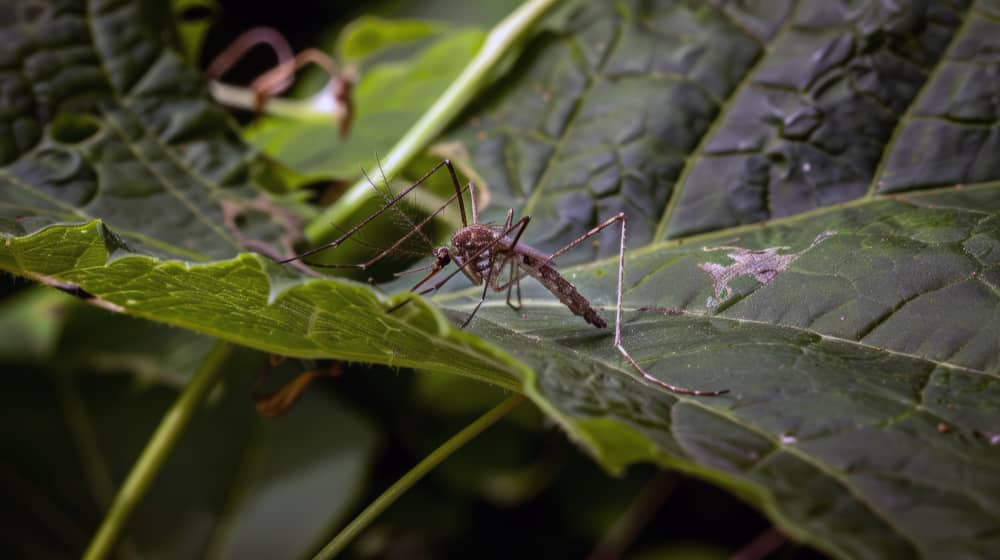
Which temperatures get mosquitoes moving
The Mosquito temperature range Celsius that matters most is the mild-to-warm zone where they can travel, feed, and reproduce faster. Warm temperatures shorten development, so eggs and larvae reach adulthood sooner. On a calm July evening, the air can seem perfect for people and perfect for mosquitoes too.
Highest mosquito biting times usually fall around dusk and dawn, when wind falls and people are outside. During summer, those hours can last longer because daylight lasts late. That means greater outdoor exposure in places like Calgary, Toronto, and Montreal, where long evenings keep patios, parks, and lakefronts busy. If your plans run late, bug spray and sleeves matter more than they do at midday.
Where mosquitoes are worst in Canada
A Mosquito map Canada can help you compare broad risk, but some places carry a stronger bite burden than others. Mosquitoes in Canada are common across the country, yet the mix of rainfall, wetland space, rivers, and housing layout alters the pressure. A flat prairie neighborhood, a tree-lined river valley, and a humid southern suburb do not act alike.
Mosquito swarm reports in Canada often gather in areas with warm summers and lots of standing water. Edmonton is a clear example. After spring runoff, water can pool near parks and river valleys. July heat can drive mosquito activity up quickly, especially in lower areas and near sheltered green space. People who live or stay near those spots often notice heavier evening biting than they expected.
Prairies, Ontario, Quebec, and coastal regions
Ontario and southern Quebec often see more mosquito activity than areas farther north because warmer temperatures and more humidity keep mosquitoes active longer. In those places, a gentle spring can wake mosquitoes up early, and a wet summer helps them stay active longer. Quebec city neighborhoods near water, and many Ontario cottage areas, can stay busy with bites well into late summer.
In the Prairies, the season can feel rough after rain. Edmonton, Winnipeg, and nearby areas can swing from calm to strong mosquito activity when storms leave puddles behind. Coastal regions vary more. Strong winds can cut activity, but sheltered, wet areas still create trouble. The same regional climate can feel very different from one block to the next.
Why local yards and parks matter
Outdoor time outdoors increases when your yard, park, or trail has breeding spots nearby. A cool yard with birdbaths, sunken areas, and thick shrubs can stay damp longer. Public parks can also support mosquitoes if they sit near waterways, marsh edges, or areas with poor drainage.
This is why a local provider often opens with a careful inspection rather than spraying right away. They look for standing water, shade, and protected areas. The goal is to reduce breeding and resting places, not just wipe out the adult mosquitoes you can see.
Are Canadian mosquitoes dangerous, and what should travelers expect?
Many visitors ask, Are Canadian mosquitoes dangerous? For the average person, the answer is no, not in a serious way in a dangerous way, but bites are irritating and sometimes painful. The main issue is itching, swelling, lost sleep, and ruined plans. For a small number of people, a mosquito bite can trigger a stronger skin reaction. Travelers should still treat bite prevention as part of trip planning, just like sunscreen or rain gear.
Travel packing should match the season and region. If you are heading to a cottage, cabin, campground, or city with lots of green space, bring mosquito repellent, light long sleeves, and clothes that cover ankles and wrists in the evening. A small bottle of repellent can save a whole day outdoors.
Health risk, bites, and when to get medical help
Are Canadian mosquitoes dangerous in the sense of major health harm for the average traveler? In most cases, no, but you should still monitor the reaction to a mosquito bite. Mild redness and itching are common. If the bite area swells fast, becomes hot, or looks infected, seek medical help. If you have trouble breathing, feel dizzy, or get a strong whole-body reaction, get urgent care right away.
Young children and people with sensitive skin may react more strongly. Scratching makes things worse because it can break the skin. Clean the area, use a cold pack, and keep an eye on changes over the next day or two.
What to pack for summer trips in Canada
Your Canada packing list should include repellent first. Choose a product that fits your skin and trip length, then pack long sleeves for evening walks and lake time. Thin pants work well on warm nights because they block bites without overheating you.
Bring socks and closed shoes for trail walks. If you plan to sit near water or in a forested campground, plan for more exposure than you would in a downtown hotel zone. A hat and light layers help too, especially in Ontario, southern Quebec, and Prairie river valleys where evening bites often start early.
Mosquito control options for Canadian homes and cabins
Homes, seasonal cabins, and cottages need a blend of protective screens and yard treatment. Mosquito control products can help, but they work best when paired with cleanup. Window screens, door sweeps, and sealed patio barriers keep insects out. Targeted yard treatment can lower adult numbers around seating areas, especially when a professional targets the right spots.
Government mosquito control programs may also guide local action, especially in areas with wetlands or public drainage issues. Some cities monitor breeding zones, inspect water sources, or issue reminders after heavy rain. The exact support depends on the province and municipality.
What devices and treatments actually help
Mosquito control devices include traps, fans, and some outdoor systems that create a barrier around a patio or deck. Traps can catch part of the local population, but they rarely solve the whole problem alone. Fans help because mosquitoes struggle in moving air. That is a simple tool with real value for decks and screened porches.
Pesticide products can work as part of a larger plan, but they should be used with care and according to label directions. A yard treatment from an exterminator or other local provider may reduce adult activity around seating areas. Traps can help with monitoring too, because you can see whether pressure rises after rainfall or temperature spikes.
What government and city programs may cover
Public mosquito control programs usually focus on public land, drainage, and health alerts rather than private yards. Cities may clear clogged drains, treat public standing water, or post guidance after storms. Some regions also track breeding areas near stormwater ponds and marsh edges.
If your private yard keeps producing bites, a local provider can inspect drainage, gutters, and shaded corners. They may suggest cleanup steps before any chemical treatment. That approach matters because standing water often returns unless you fix the source.
Mosquito treatment pricing in Canada, from monthly visits to one-off treatments
Price matters because mosquito pressure can last for weeks and months. Monthly mosquito service is common for people who want regular coverage through the warm season. It can be a better fit than single visits if your yard sits near water, bush, or a high-bite area.
Cost for pest control in Ontario can vary by city, yard size, season length, and the kind of treatment you choose. Orkin Canada cost and Orkin prices also shift by region, property type, and whether you need mosquito work only or a broader pest plan. The best next step is a price quote from a local provider who understands your regional climate.
What drives cost in Ontario and other provinces
Cost for pest control in Ontario often reflects the longer season in southern areas, the amount of yard space, and how much prep the job needs. A small urban property in Toronto may cost less to treat than a large https://mosquito-spraying-canada-bb277.evercolumn.com/posts/four-leading-mosquito-control-in-canada-companies-2026 cottage lot near standing water. In Alberta, a yard near river corridors or low spots can need repeated visits after storms.
Service quote requests should ask what is included. Some plans cover inspection, barrier spraying, and follow-up. Others only cover one visit. The better the quote, the easier it is to compare value instead of just the lowest number.
Reviewing local companies and search terms
People often search Mosquito control near me, then compare a few names. Weedman mosquito control is one local option many homeowners look at for lawn and yard service. Orkin pest control is another large name, and Orkin prices may reflect broader pest packages rather than mosquito-only work. If you see Mosquito Hero cost in a search result, check what that price includes before you compare it to another quote.
Local naming can be confusing because some companies sell seasonal mosquito programs, while others bundle mosquito work into general pest service. Ask whether the price covers one treatment, a monthly plan, or emergency return visits after heavy rainfall.
How to check reviews and phone numbers before booking
Mosquito Hero reviews can help you see how a company deals with scheduling, follow-up, and communication. Look for comments about punctuality, clear pricing, and whether the yard stayed quieter after treatment. Reviews matter more when they mention the same climate and property type as yours.
Before you book, verify the Mosquito Hero phone number from the company’s own listing or direct contact channel. That helps you avoid stale contact info. The same rule applies to any local provider. Verify the number, confirm the service area, then ask what the plan covers in your neighborhood.
Easy trip and garden tips that cut mosquito bites
Bite prevention works best when you combine planning and simple habits. Repellent helps most when you use it before outdoor exposure starts. It should cover exposed skin and clothes if the label allows it. You should also think about timing, because the worst bite pressure often happens at dawn, dusk, and after humid weather settles in.
Pooled water should be checked before a trip and after you come home. A quick scan can stop larvae from turning into adults while you are away. Add barriers like screens and tight doors, and you lower the odds of coming back to a swarm.
Timing your outdoor plans around weather
Peak biting hours often match the cooler edges of the day. If a warm afternoon turns into a still, damp evening, mosquito activity usually rises. That is the time to shift from short sleeves to long sleeves and bring repellent to the table, dock, or trailhead.
Warm temperatures after rain can create a sudden spike in outdoor exposure. Schedule hikes, patio dinners, and camp chores earlier if you can. In summer, long daylight in Calgary, Toronto, and Montreal can tempt you to stay out later, but that is also when bites often build.
Quick home checks before a trip or weekend
Check your yard before you leave. Empty buckets, flip toys, clear gutters, and check flowerpot trays. Standing water in just one hidden spot can support larvae and fuel a fresh wave when you return.
Apply yard treatment only if you need it and only as directed. Pair it with barriers like screens, sealed doors, and fine mesh over vents or porch openings. These small steps are easy, but they cut bites fast and help your home stay comfortable through the season.
FAQ
How much does monthly mosquito control cost?
Monthly mosquito treatment service for mosquitoes changes by property size, region, and how often the company comes out. In Ontario and other provinces, a quote may vary based on property size, drainage issues, and the length of the mosquito season. Check what is included before you sign up.
Which mosquito insecticide is best for Canada?
The most effective mosquito insecticide depends on where you live, the way you maintain your yard, and whether you need targeted treatment or a broader program. A local provider can recommend a product that fits your regional climate and follows Canadian label rules. Always pair the treatment to the problem area, not just the brand name.
How much should exterminators cost in Canada?
Exterminator pricing vary with service type, home size, and province. Mosquito work may be priced as a single visit or part of a summer plan. Ask for a service quote that covers inspection, treatment, and follow-up so you can compare the details fairly.
Do I need mosquito repellent in Canada?
Yes, if you plan to be outdoors in late spring through summer, especially near standing water, parks, cabins, or river areas. Insect repellent is useful in Ontario, southern Quebec, and Prairie cities where evening bites can be strong. It is one of the easiest bite prevention steps you can pack.
How much does mosquito control cost per month?
Monthly price depends on the provider, your property, and how long the active season lasts in your area. Yards with higher humidity, dense shade, or nearby water often need more service. Get quotes from a few local providers to compare monthly plans.
What is the best mosquito repellent device in Canada?
There is no one best device for each home. Fans, traps, and screened barriers all work in different ways. The best choice depends on whether you need help on a deck, in a cabin, or across a larger yard.
How much does mosquito killer cost?
Mosquito killer products range from budget-friendly retail products to ongoing service plans. A bottle or device may be easy on the budget, but a more extensive yard treatment or monthly service costs more. Weigh the upfront price with how long the treatment lasts and whether it reduces mosquito activity where you actually sit.
What is the typical cost of mosquito control?
The typical rate of mosquito Control in Canada depends on the area, treatment season, and property type. City homes, rural cabins, and shoreline lots do not price the same. The best figure comes from a regional provider after they check your yard and outline the plan.
Mosquito Man Toronto
224 King St W #2401, Toronto, ON M5J 0A6, Canada
+1 647-243-7241
https://mosquitoman.ca/pest-control/toronto/
43.6475305, -79.3873341